
Inside the National Assembly: borrowing plans, fintech rules, women's seats and the 2027 budget
A round-up of the main business before Nigeria's lawmakers this autumn.
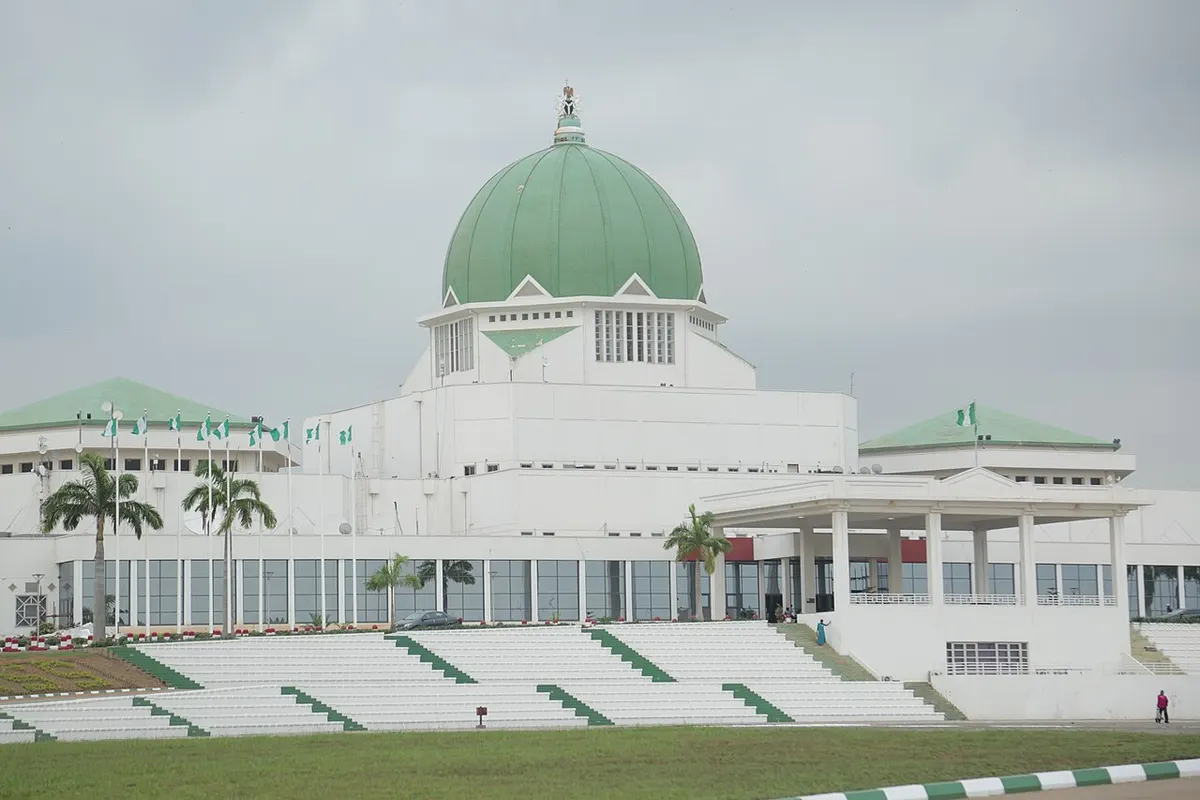
Borrowing requests
On 27 October the Senate received President Tinubu's request to approve a $20.52bn and €1.05bn external borrowing plan for 2026–27, for infrastructure, health, education and security. On 4 November he asked for approval of $7.7bn in external borrowing to help finance the 2026 budget deficit. Both are with Senate committees. Total public debt stood at ₦166.79 trillion on 30 June 2026.
Fintech regulation
The Senate passed a bill amending the Banks and Other Financial Institutions Act to let the CBN designate and supervise "systemically important" fintechs and other non-bank financial firms, with stress tests and rules on governance and cybersecurity.
Reserved seats for women
The bill to create reserved legislative seats for women has reached third reading with other constitutional amendments but has not been voted on. President Tinubu pledged in October to sponsor it. A sponsor said it cannot apply to the 2027 elections because candidate lists have closed; full implementation is expected in 2031.
The 2027 budget
Minister of State for Budget Doris Uzoka-Anite said on 28 October that the President will present the 2027 Appropriation Bill to a joint session of the National Assembly before the end of December 2026. Leadership reported that the government plans to carry 2026 capital spending into 2027 as it moves to a single budget cycle.